Diageo's $61 Billion Empire: A Story of Strategic Acquisitions and Divestments
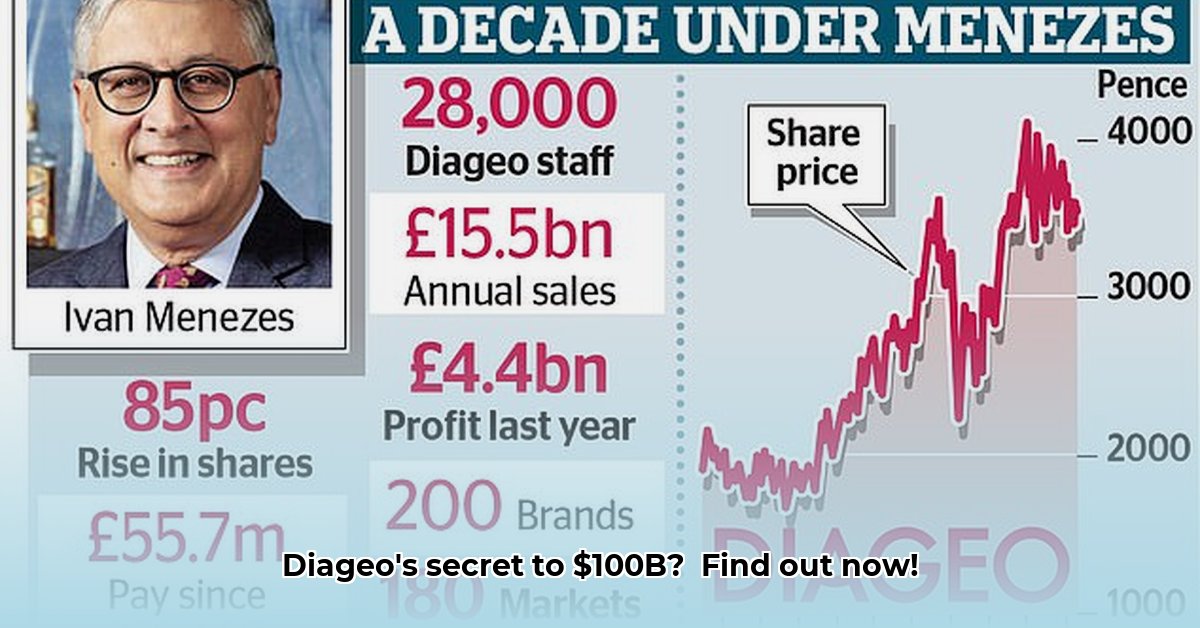
Diageo, the powerhouse behind iconic brands like Johnnie Walker, Smirnoff, and Guinness, boasts a staggering net worth exceeding $61 billion (as of April 11, 2025). This wasn't achieved through luck; it's a meticulously crafted narrative of strategic acquisitions, shrewd divestments, and a keen understanding of global consumer trends. This article delves into the key decisions that propelled Diageo to its current position, exploring how its brand portfolio, market positioning, and adaptability contribute to its immense financial success.
Building a Global Portfolio: Calculated Expansion and Strategic Retreat
Diageo's growth strategy isn't a haphazard accumulation of brands; it's a carefully orchestrated puzzle. Acquisitions like Sichuan Shuijingfang (China), Mey Icki (Turkey), Ypióca (Brazil), and United Spirits (India) weren't random choices. They were calculated expansions into high-growth markets, tapping into burgeoning middle classes and rapidly expanding economies. These strategic moves significantly broadened Diageo's consumer base and secured future revenue streams.
However, Diageo's approach isn't solely about expansion. The company demonstrates a willingness to divest from underperforming assets. The sale of brands and businesses that don't align with its core premium spirits strategy, including past divestments like Pillsbury and Burger King, demonstrates a commitment to focused growth. This strategic pruning of the portfolio allows for efficient resource allocation and a concentration of efforts on its most profitable ventures.
Premiumization: The Cornerstone of Diageo's Success
Diageo's financial prowess rests squarely on its premium spirits portfolio. Brands like Johnnie Walker, Smirnoff, and Baileys are global icons, synonymous with quality, heritage, and aspirational lifestyles. These brands consistently deliver strong sales and command leading market share, significantly contributing to Diageo's impressive net worth. This success is a testament to a strategy that emphasizes consistent quality, innovative marketing, and a cultivation of brand loyalty. They haven't just sold spirits; they've cultivated a lifestyle.
Diversification: Beyond Spirits - Embracing Non-Alcoholic Growth
Recognizing the shifting consumer landscape, Diageo isn't solely reliant on alcoholic beverages. Acquisitions like Seedlip (2019) and Ritual Zero Proof (2024) showcase its adaptability and proactive approach to market diversification. This strategic move positions Diageo at the forefront of the rapidly expanding non-alcoholic beverage sector, adding another layer of growth potential to its already formidable financial position. This foresight likely secures their profitability well into the future.
The Guinness Question: A Potential Strategic Shift?
A significant cloud on the horizon surrounds the future of Guinness. Speculation regarding its potential sale, which emerged in late 2023, presents a pivotal strategic decision with potentially far-reaching consequences. While some analysts believe divesting Guinness could enhance Diageo's focus on premium spirits and potentially boost net worth, others highlight Guinness's invaluable brand recognition and contribution to the company's global image. The ultimate impact remains to be seen. Does this gamble pay off, or will it impact their success?
Navigating Competition and Market Dynamics: Adaptability as a Key Strategy
Diageo operates in a fiercely competitive market; however, its sustained success is a testament to its ability to adapt and innovate. Continuous investment in its brands, innovative marketing campaigns, and strategic acquisitions all contribute to its competitive edge. Even seemingly unrelated actions, such as the strategic sale of artwork, can be viewed as part of a broader branding and image management plan. Their ability to anticipate market shifts and respond proactively secures their dominance.
Diageo's regional approach further enhances its competitive strength. Its organizational structure, split into regions like North America, Europe, and Asia, allows for customized marketing strategies and product offerings tailored to specific regional preferences. This localization ensures maximum market penetration and revenue generation globally.
Mitigating Future Risks: A Proactive Approach
While Diageo's past success is undeniable, potential risks must be acknowledged. Challenges like brand reputation damage, regulatory changes, intense competition, economic downturns, and supply chain disruptions all pose threats. However, Diageo's track record suggests a proactive approach to risk mitigation.
How Diageo's Strategic Divestments Fuel Long-Term Profitability
Diageo’s success isn't solely about acquisitions; its strategic divestments are equally crucial. These seemingly contradictory actions – buying and selling – are central to its growth strategy.
Premiumization Through Divestment: Focusing Resources for Maximum Impact
Divesting lower-margin brands allows Diageo to:
- Invest in premium spirits: Focusing resources on high-margin products maximizes profitability.
- Fund R&D: Innovation is critical for maintaining a competitive edge.
- Acquire key brands: Strategic acquisitions further strengthen market position.
This focused approach delivers superior returns compared to a broader, less profitable portfolio. The strategy emphasizes quality and high-value brands over sheer volume.
Adaptability and Resilience Through Strategic Divestment
The beverage industry is dynamic. Consumer preferences and economic conditions fluctuate. Divesting brands that no longer align with market trends or face challenges ensures Diageo's adaptability and resilience. This proactive approach strengthens its ability to respond to change and maintain a competitive advantage. This agility is crucial for success in a rapidly evolving marketplace.
The Financial Impact: Measurable Success
Although precise financial details of individual divestments are often not publicly accessible, analysts consistently highlight the positive impact on Diageo's profitability. Improved margins, increased investment capacity, and a strengthened, premium brand focus all contribute significantly to its long-term financial health. The benefits extend far beyond immediate sales figures.
Risk Mitigation: Protecting Long-Term Sustainability
Divestment also acts as a risk management tool. Shedding underperforming or volatile brands reduces exposure to market downturns or regulatory changes, bolstering Diageo's overall resilience and ensuring future viability. This reduces potential losses and protects the company's long-term sustainability.
In Conclusion: Diageo's journey represents a masterclass in strategic brand management and financial acumen. Its success is a testament to a carefully calibrated approach that blends bold acquisitions with shrewd divestments, fostering a premium portfolio while adapting to the ever-evolving global beverage market. While challenges remain, Diageo's track record suggests a promising future.